Written by Falepaini
“The best view comes after the hardest climb.” – Unknown
Content Note: This piece explores themes of trauma, emotional hardship, and personal resilience. Please read with care and pause if you need to. You are not alone on your journey.
Climbing Life’s Mountain
Life is often described as a journey—a winding path paved with experiences, challenges, and personal growth. But for those who have faced deep hardship, trauma, or profound struggle, that journey can feel less like a gentle stroll and more like scaling an unforgiving mountain.
For the past two years, even as I smiled and held myself together, life felt like scaling Mount Everest barefoot—on shattered glass—while caught in an endless avalanche of setbacks.
And yet, I believe every trial was placed in my path for a reason—a lesson woven by God and the universe to strengthen my spirit.
Through resilience, I’ve endured. One step at a time, each one leaving behind its own scar.
The only evidence?
Wisdom etched into my soul, earned from clawing my way out of the dark—a pit I once feared I’d never escape.
Beyond Survival: What is Post-Traumatic Growth?
We often hear about PTSD (Post-Traumatic Stress Disorder) and how trauma leaves lasting wounds. It’s important to recognise that PTSD can manifest in many different ways. Healing is rarely linear—it often involves navigating emotional triggers, painful memories, and complex mental health challenges.
But what about the growth that can come from hardship?
What if we don’t just survive trauma—but evolve because of it?
In conversations about trauma, we often highlight resilience—the ability to bounce back despite adversity. But beyond resilience lies a deeper, more transformative concept: Post-Traumatic Growth (PTG).
While resilience is about finding your way back to who you were before the hardship, Post-Traumatic Growth goes further. It’s the positive psychological change that can emerge after struggle—not by returning to who we were before the trauma, but by becoming someone beyond it.
It’s about transformation—becoming someone stronger in spirit, wiser in perspective, and more deeply connected to the beauty and fragility of life.
Uneven Paths and Unequal Gear
For years, mountains have served as powerful metaphors in motivational speeches, self-development books, and inspirational quotes.
Each of us climbs a mountain uniquely shaped by our burdens and life stories. Some mountains are high and jagged, carved by grief, trauma, or adversity. Others may seem smaller but still demand incredible strength to climb.
But not everyone starts the climb with the same tools.
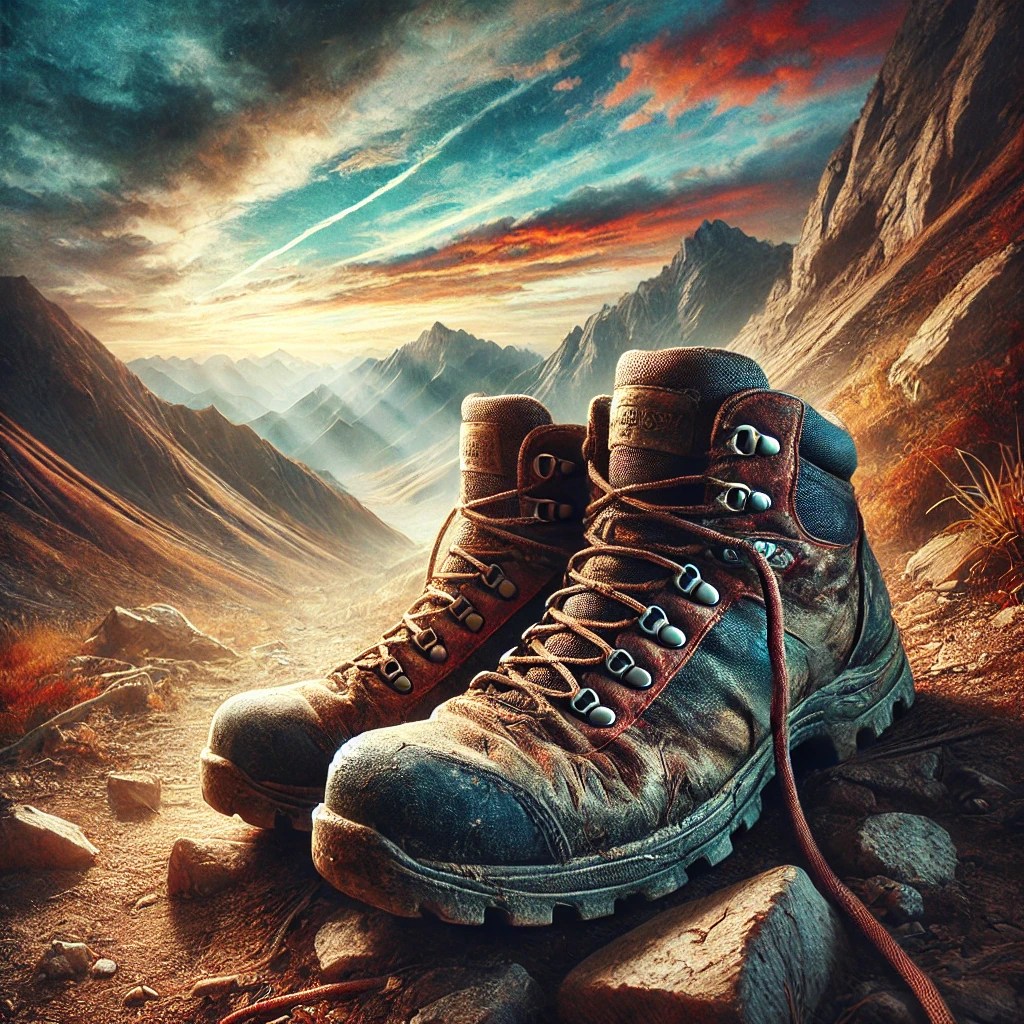
Some people are born into stability—with sturdy boots, clear paths, and experienced guides. These represent strong support systems, financial security, education, or access to love and care.
Others begin with worn-out shoes, no map, and little support—making each step harder than the last. These differences aren’t always visible, but they deeply affect the journey.
It’s important to remember that support, opportunity, and privilege aren’t shared equally. That doesn’t make one person stronger or weaker—it just means we all start from different places.
And still, what matters most is how you keep moving forward.
No Right Way to Heal
Healing looks different for everyone—and yours might not look like what others expect.
Some find relief in therapy, unpacking heavy burdens with professional guidance. Others seek solace through spirituality, meditation, or faith. Medication may stabilise the journey for some, while others discover healing through art, writing, music, or introspective reflection.
And you’ll hear me say this often: There’s no right or wrong way to heal—only what works for you.
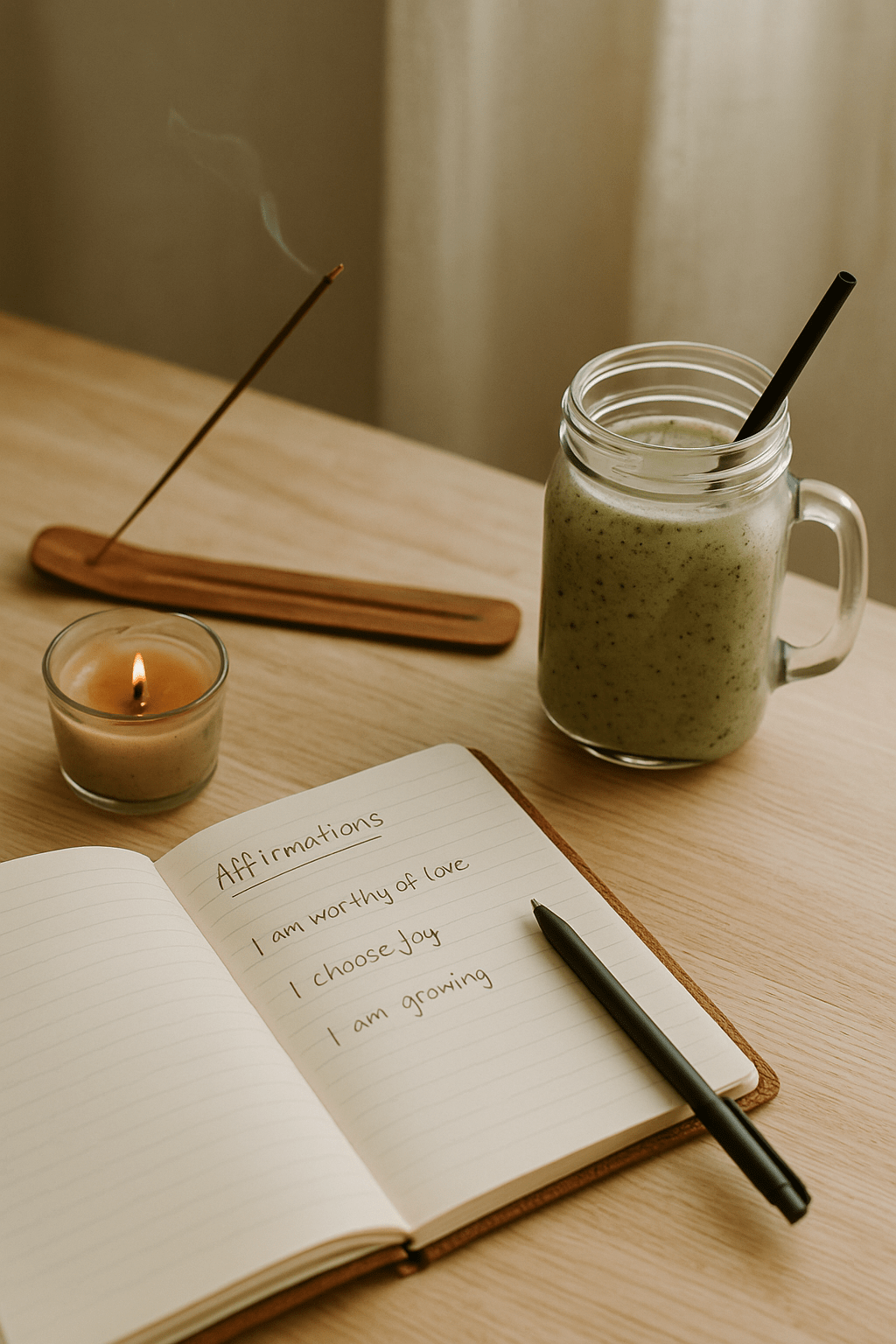
Personally, writing has been my anchor through life’s hardest moments—helping me process fleeting thoughts and deep emotions. It demands vulnerability, but it’s also where I found connection and truth.
Studying creative writing gave me a voice when I couldn’t speak, and through journaling, I discovered healing. Psychology introduced me to self-authoring—a reflective tool that helps us rewrite our narrative, transforming pain into purpose and building psychological resilience.
But even as we grow, the climb doesn’t get easier. Healing isn’t linear, and the hardest chapters are often written in the thick of the storm.
Even as we grow, we’re still called to walk through the weight of our experiences—with resilience as our guide.
Resilience: Tested and Refined
The climb is never easy. It’s a test of heart, of hope, of how many times you’re willing to rise after falling.
Storms roll in—sometimes without warning—bringing unexpected losses, deep disappointments, and painful betrayals that shake your very foundation.
These moments test your resolve not just in action, but in spirit. They challenge your ability to trust, your will to keep going, and your faith in yourself—and in others.
And then come the rockfalls—those sudden collapses that send you tumbling just as you begin to rise. They catch you off guard, often striking when hope has only just begun to flicker again, threatening to extinguish it entirely.
For me, some of the hardest rockfalls came in the form of people who were meant to love and support me—friends, and especially family—knocking me off course.
Those moments cut the deepest, not because of what was said or left unsaid, but because of who it came from.
When you reach out in vulnerability and your cry for help is met with silence—or worse, with judgment, rejection, or the invalidation of your truth, especially about the trauma they caused—the fall feels steeper, and the mountain colder.
These rockfalls aren’t just setbacks. They strike at the core of your healing. Each one chips away at your sense of safety, shaking your trust in others and, at times, in yourself.
Just when you think you’ve found steady ground, the terrain shifts beneath your feet—reminding you how fragile the climb can be.
And yet, even in the rubble—even in the pain—I found the strength to keep going.
Sometimes that meant walking alone. Not with bitterness, but with grace.
I learned to hold compassion for those who could not understand my path, while choosing to walk it anyway.
Their rejection did not define my worth, it revealed my resilience.
Fatigue weighs heavy, and doubt whispers loudest when you’re at your most vulnerable.
The summit—once imagined as a place of hope—can start to feel impossibly far, like a distant peak that disappears into the clouds the harder you try to reach it.
“Faith and fear demand belief in something that you cannot see. And so—you must choose.”
– Bob Proctor
In those moments, it takes everything in you just to keep going.
But even in the darkest valleys, I’ve found comfort in knowing I am not climbing alone—that God walks beside me, guiding my steps even when the path seems invisible.
One of my favourite quotes reminds me that both faith and fear demand belief in something that you cannot see.
And so—you must choose.
Choose to keep going. Choose to believe that every step, although hard, is the steppingstone that elevates you closer to the summit.
The Shift: From Surviving to Transforming
Resilience carried me through—the part of me that refused to let go, even in the darkest hours. Some might call it stubbornness. Maybe it is. But it’s also what kept me alive—and for that, I’m grateful.
At some point, something shifted. I wasn’t just holding on anymore—I was becoming someone new.
That’s the essence of Post-Traumatic Growth. It’s not about forgetting the pain. It’s about rising from it—no longer defined by the wound, but by the strength it revealed.
And that strength is what carries you—step by step—toward your summit.
The Summit: Growth Through Struggle
Reaching the top of your mountain means something different to everyone—no two people see the same view from the summit.
Your perspective is shaped by your own personal journey—moulded by your pain, your perseverance, and your willingness to go within and truly grow.
Not everyone will understand it. But it carries a power that only you can hold.
Those who make it to the top often see the world with new eyes. They find joy in life’s quiet gifts—sunlight on their face, laughter with loved ones, and moments of stillness they once overlooked.
In the end, the summit isn’t defined by how heavy the burden was or how often you stumbled.
It’s defined by the fire that kept you going, the strength to rise again, and the choice to turn pain into purpose.
“Never let someone who hasn’t walked in your shoes tell you how to tie your laces.”
Embracing Your Climb
Your mountain may look different. Your climb may take longer, feel steeper—but every step matters.
With each step you take, every act of resilience shapes who you are becoming. Over time, those small acts plant the seeds of Post-Traumatic Growth—quietly taking root beneath the surface.
Through each challenge, you’re not just surviving—you’re transforming into someone stronger, wiser, and more attuned to the beauty of life.
If you’re in the middle of the climb—tired, uncertain, or doubting your strength—know this: you are not alone!
Take heart. The strength you’re looking for has been within you all along. Just keep going. You’re already enough, but you’re becoming someone extraordinary along the way.
Move at your own pace. Trust the rhythm of your journey. Your steps, no matter how small, still count.
As for me, I’m still climbing. I haven’t yet reached the peak of my summit, and at times, the path has been treacherous.
There are moments I want to give up—when the weight of worn soles and the absence of support make every step feel heavier.
But deep down, I believe it will all be worth it.
That’s why I’ve learned this: no one else gets to define your path.
Never let someone who hasn’t walked in your shoes tell you how to tie your laces.
They haven’t climbed your mountain.
Their struggles were different. Their setbacks were unique. And their view from the summit will never mirror yours.
Even if someone tried to walk your path, they wouldn’t get far—because the blisters would break them, the terrain would confuse them, and the weight would be more than they ever imagined.
Your endurance is your own—and it speaks volumes about your strength.
One day, when I finally stand at the top of my summit, looking back at a climb that once felt impossible, my children will see that no matter what life threw at me—I became more than my past.
I became stronger, wiser, and better than I was before my traumas. Because I owe it to them to break the cycle.
To walk a little further. To clear some of the debris.
To make the path ahead just a bit gentler—so their climb feels lighter, their burdens smaller, and their summit brighter.
And as we stand together, watching the sunset over the world below, we’ll marvel at the beauty and mystery of it all—the trials and tribulations God so carefully wove into our path, shaping us with each step.
Because the true victory isn’t just reaching the summit. It’s the transformation that happened along the way.
And when I finally get there, I’ll understand why the best view always follows the hardest climb.
Not because I conquered the mountain, but because I transformed on the way up.

💛 You Are Not Alone – Support Services in Australia
If you’re struggling, please know this: you don’t have to climb alone. Reaching out for support is a powerful act of courage, not weakness.If this piece brought up anything heavy for you, take a moment to breathe, reach out, and honour what you’re feeling. You are not a burden. You are worthy of help. You are not alone.
Support Services in Australia:
- Lifeline – 13 11 14
24/7 crisis support and suicide prevention. - Beyond Blue – 1300 22 4636
Mental health support and resources for anxiety, depression, and more. - 1800RESPECT – 1800 737 732
Support for people impacted by sexual assault, domestic or family violence. - Kids Helpline – 1800 55 1800
24/7 counselling for young people aged 5–25. - Suicide Call Back Service – 1300 659 467
Free counselling for people affected by suicide.




 The House Of Pine
Leave a comment